Baking is a delicate art, and the type of flour you use can significantly impact the texture and quality of your baked goods. In today’s topic, 00 Flour vs. Cake Flour: What’s The Difference, we’ll explore the differences between these two flours and help you understand which one is better suited for your baking needs.
Understanding the Basics of Flour
What is Flour?
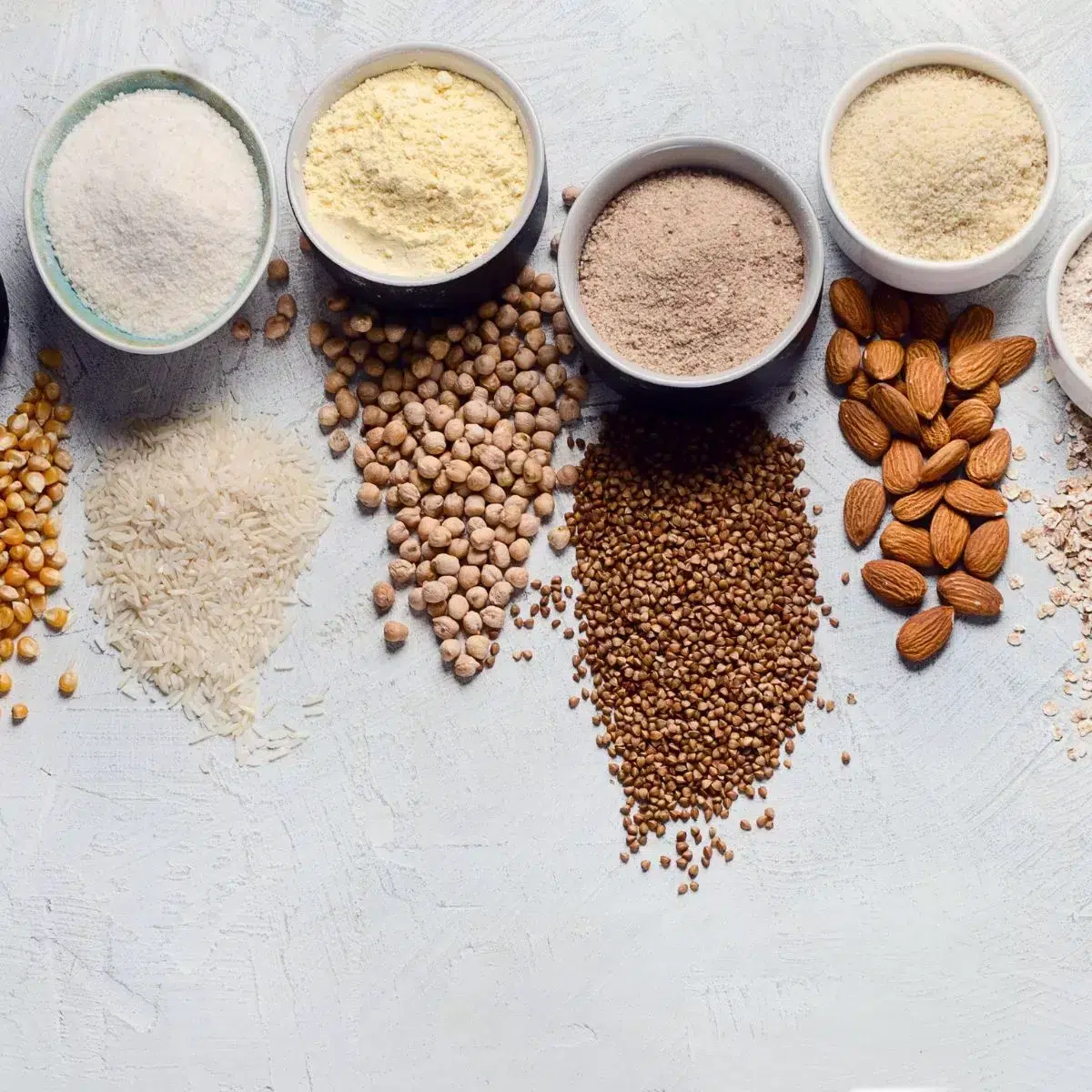
Depending on the flour, grinding grains, beans, nuts, or seeds can feel grainy or powdery. The standard and widely used flour is made from wheat, which can be milled into various types of flour depending on its intended use.
Common Types of Flour
- All-Purpose Flour: Versatile, with a moderate protein content suitable for a variety of baked goods.
- Bread Flour: Contains higher protein, ideal for making bread with a strong gluten structure.
- Whole Wheat Flour: The whole grain contains more nutrients and a denser texture.
- Gluten-Free Flour: Made from non-wheat sources like almond, coconut, or rice, suitable for gluten-intolerant diets.
Importance of Choosing the Right Flour for Baking
Choosing the right flour is crucial to achieving the perfect texture and flavor in your baked goods; follow these essential steps closely. Each type of flour has unique properties that affect the outcome of your recipes.
Why Am I Comparing 00 Flour and Cake Flour?
Comparing 00 flour and cake flour will help you understand which flour works best for specific recipes, ensuring perfect bakes every time. This knowledge can help you choose the right flour for your recipes, leading to better texture, flavor, and overall baking success.
What is 00 Flour?
Doppio zero flour, Italian flour, or 00 flour, is a staple in Italian cuisine and has its origins in Italy, a country renowned for its culinary traditions. Simply put, this flour is a finely milled wheat that is commonly used for all-purpose flour. However, the difference is that “00” refers to how finely it is milled compared to all-purpose flour. In Italy, the flour is categorized from 00 being the finest and 2 being gritty or coarse.
How 00 Flour Came to Be Popular
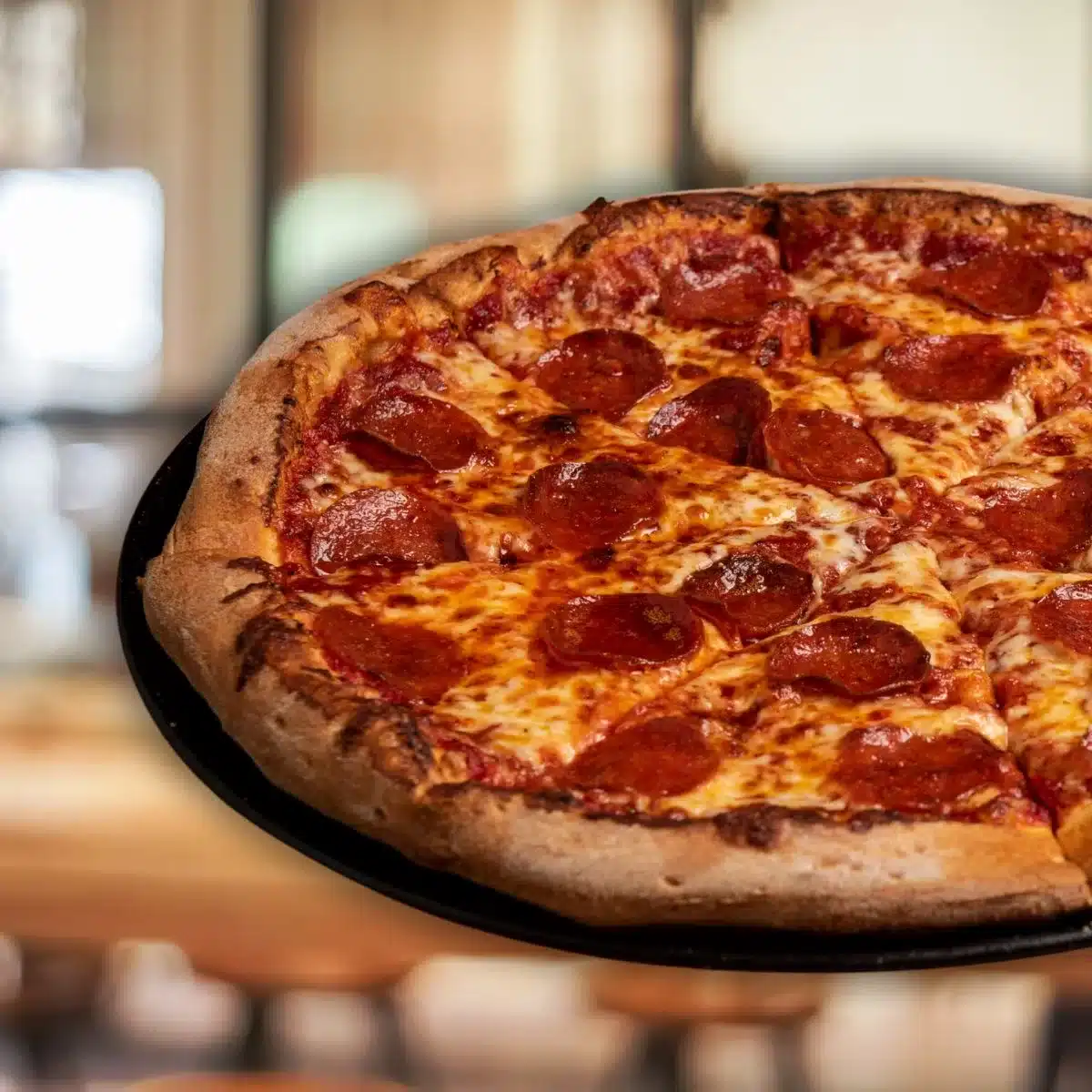
It gained popularity for making authentic Italian pasta and pizza, prized for its smooth texture and high-quality results. And if I had to guess, most of that delicious pizza I’ve had over the years in New Jersey and NYC is probably made with 00 flour (of course, can’t forget the secret sauce- water!), giving it that perfect balance of chewiness and softness.
Evolution of 00 Flour in Baking
00 flour is a staple in Italian cooking, and it was first used to make their delicious pizza and pasta. These days, it’s widely available and used in all kinds of baking recipes, not just Italian ones. I’ve even made my delicious Ukrainian Varenyky using 00 flour!
Texture and Granularity
We covered it a bit earlier, but let’s dive a little deeper into the texture and granularity of 00 Flour in comparison to cake flour. At first glance, all flour may look the same. However, different types of flour have different properties. For example, 00 flour stands out for its ultra-fine texture, which gives a silky smooth dough, while cake flour is milled to an exceptionally fine consistency, producing a soft, velvety texture in baked goods.
Gluten Content
00 flour typically has a lower gluten content compared to bread flour, making it ideal for delicate and flexible dough. Although a crusty bread loaf may not work with this flour, you can make many other recipes with it.
Ideal Uses
00 flour is perfect for making pasta, pizza, and fine-textured baked goods such as focaccia, certain pastries, and my ever-so-loved Sunday Crepes!
What is Cake Flour?
Cake flour is a staple in modern baking for recipes that need a fine, soft texture. Although many companies make cake flour today, the Igleheart Brothers Milling company in Evansville, Indiana, in the United States, is said to be the OG of cake flour in the late 1800s.
Evolution in Baking Techniques
With advances in milling and baking techniques, cake flour has become more refined, offering more consistent results. It remains a staple in modern baking for recipes that require a fine, soft texture.
Texture and Fine Consistency
Cake flour is milled to an exceptionally fine consistency, producing a soft, velvety texture in baked goods. Think of 00 as a dusty consistency, whereas cake flour is more of a super fine grind.
Lower Protein Content
Cake flour typically contains lower protein, usually around 6-8%, resulting in less gluten formation and a softer texture.
Ideal Uses in Baking
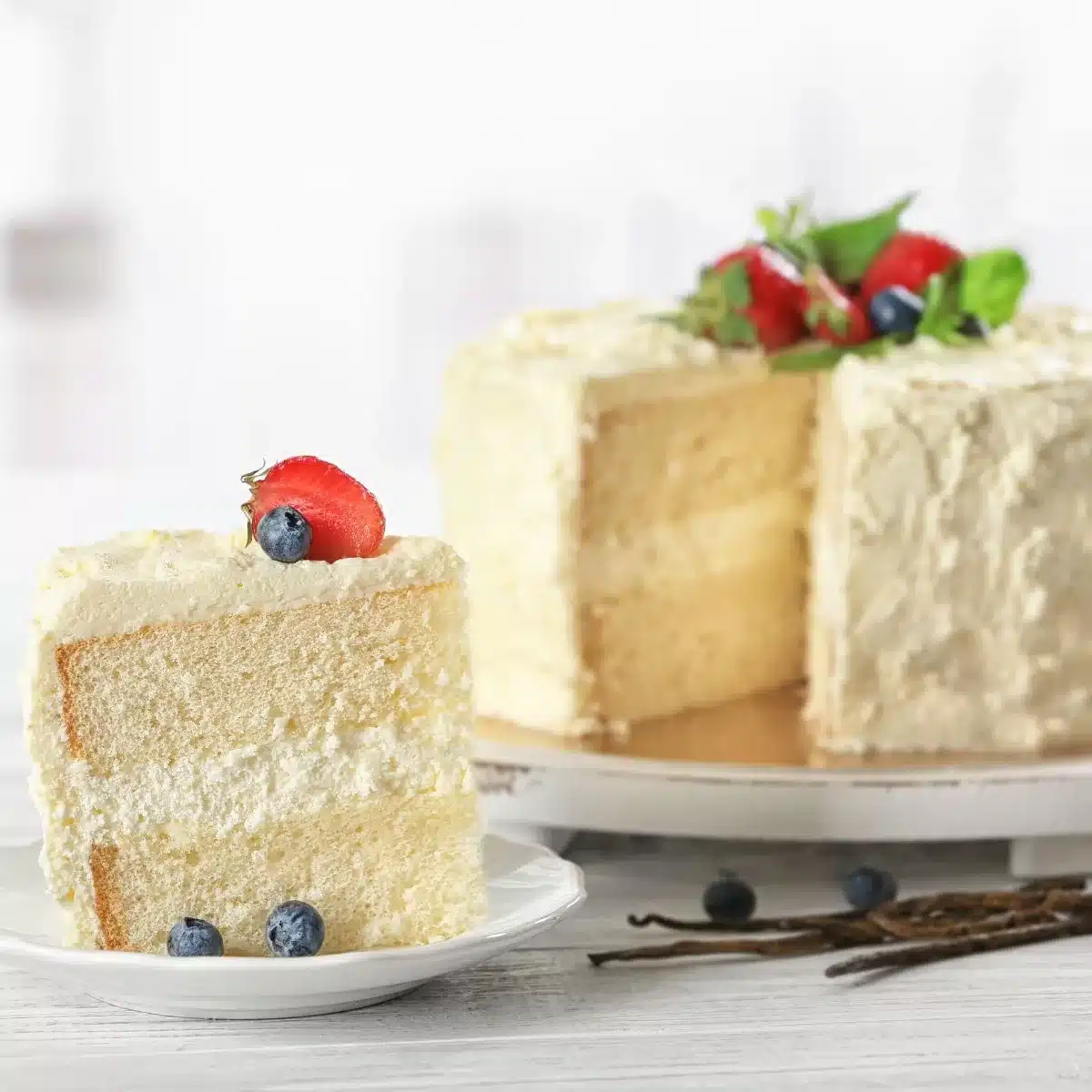
Cake flour is ideal for making air-light cakes, biscuits, muffins, tender pastries, and mostly anything you want to have a light and fluffy consistency.
Key Differences Between 00 Flour and Cake Flour
How Each Flour is Milled
- 00 Flour: Ultra-fine milling for a silky texture. Dusty finish.
- Cake Flour: Extra-fine milling. Soft and powdery finish.
Impact on Finished Baked Goods
00 flour creates a smooth, elastic dough suitable for chewy textures, while cake flour results in tender, light-baked goods.
Visual and Textural Differences
00 flour doughs are usually more elastic and less puffy, whereas cake flour produces high-rise, delicate textures.
Protein and Gluten Content
Comparison of Protein Levels
- 00 Flour: Moderate protein content, around 8-10%.
- Cake Flour: Lower protein content, around 6-8%.
Effects on Dough Elasticity and Strength
Higher protein (gluten) in 00 flour makes dough more stretchy and elastic. Lower protein in cake flour encourages a tender, crumbly texture.
Suitability for Various Baking Recipes
00 flour, with its structure and elasticity, empowers you to create a variety of recipes. On the other hand, cake flour, with its soft, tender texture, gives you the freedom to bake delicate treats. Understanding these differences can truly empower your baking choices.
Flavor and Moisture Content
Both flours have a mild taste, but cake flour may have a slightly sweeter undertone. Cake flour absorbs and retains moisture differently, helping to maintain a tender crumb.
When to Use 00 Flour vs Cake Flour
Matching Flour to Types of Baked Goods
- 00 Flour: Best for pizza, pasta, and some loaves of bread.
- Cake Flour: Ideal for cakes, muffins, and pastries.
Importance of Following Recipe Guidelines
Remember, adhering to specified flour types in recipes ensures the expected texture and flavor. This adherence to recipe guidelines can give you the confidence that your bakes will turn out just right.
Experimentation and Flexibility
Don’t hesitate to experiment! Mixing flours or swapping them can lead to unique and delightful results. This spirit of experimentation can inspire you to create your own signature bakes.
Desired Texture and Outcome
Crispiness vs Softness
00 flour can deliver crispiness, whereas cake flour is your go-to for softness.
Density vs Lightness
00 flour tends to create denser baked goods, while cake flour provides lightness.
Chewy vs Tender
Choose 00 flour for chewiness and cake flour for tenderness.
Nutritional Considerations
Nutrient Profiles of Each Flour
- 00 Flour: Moderately nutritious with less fiber than whole grain.
- Cake Flour: Lower in protein and fiber, often enriched.
Dietary Restrictions and Preferences
Choose the flour that best fits your dietary needs—gluten content and nutritional attributes might guide your choice.
Health Implications
As with all food, moderation is key. Both flours can be part of a healthy diet when used appropriately.
Practical Tips for Home Bakers
Storage and Shelf Life
Keep both flours in a cool, dry place, preferably in airtight containers.
Shelf Life and Signs of Spoilage
Flours generally last 6-8 months. Watch for off smells or insect infestations as signs of spoilage.
Best Practices for Maintaining Freshness
Keep flour in the refrigerator or freezer for a longer shelf life.
Substitutions and Mixing
Substituting One Flour for Another
Substituting might require adjustments in liquid ratios or additional ingredients like cornstarch to match the texture.
Mixing Flours for Unique Results
Experiment with mixing 00 flour and cake flour for custom textures and flavors in your baked goods. Mixing all-purpose flour and cake flour will create a beautiful pasty flour.
Adjusting Recipes for Optimal Outcomes
Trial and error is your friend. Small adjustments can make a big difference in achieving the perfect bake.
Troubleshooting Common Issues
Solving Textural Problems
Lumpy dough? Sift your flour. Too dense? Try mixing in some cake flour.
Managing Moisture Levels
Adjust liquid ingredients based on humidity levels and dough consistency.
Ensuring Consistent Results
Measure ingredients accurately and maintain consistent oven temperatures.
Final Thoughts And Differences
Now that we’ve covered two types of flour in-depth, let’s do a quick simple summary for 00 flour vs. cake flour:
- 00 flour: less fiber. Cake flour: often enriched.
- 00 flour: chewy and dense. Cake flour: light and fluffy.
- 00 flour: great for pizza, pasta, and certain breads. Cake flour: great for cakes, muffins, and pastries.
Experimenting with different flours can open up new possibilities in baking. Don’t be afraid to try new flours and see how they influence your favorite recipes.
Frequently Asked Questions (FAQs)
Can I Use 00 Flour Instead of Cake Flour and Vice Versa?
Yes, but adjustments may be needed. Adding cornstarch to 00 flour can simulate cake flour. However, the texture and rise might slightly differ.
Where Can I Buy 00 Flour and Cake Flour?
Both flours can be found in grocery stores, specialty food shops, or online. I purchase mine here: 00 Flour and Organic Cake Flour.
How Does Flour Quality Affect Baking?
Flour quality impacts texture, flavor, and consistency. High-quality flour ensures better, more reliable results in your bakes.
This post may contain affiliate links, which means I may earn a small commission at no extra cost to you. Some products may be gifted, but my opinions are always my own.