Gel manicures have been a go-to beauty ritual for years. They last for weeks, shine brighter than traditional polish, and save us from chipped nails after just a day or two. But starting September 1, 2025, Europe made headlines with a sweeping ban on certain gel nail products. If you’ve seen the news and wondered what it means for you, here’s the full story.
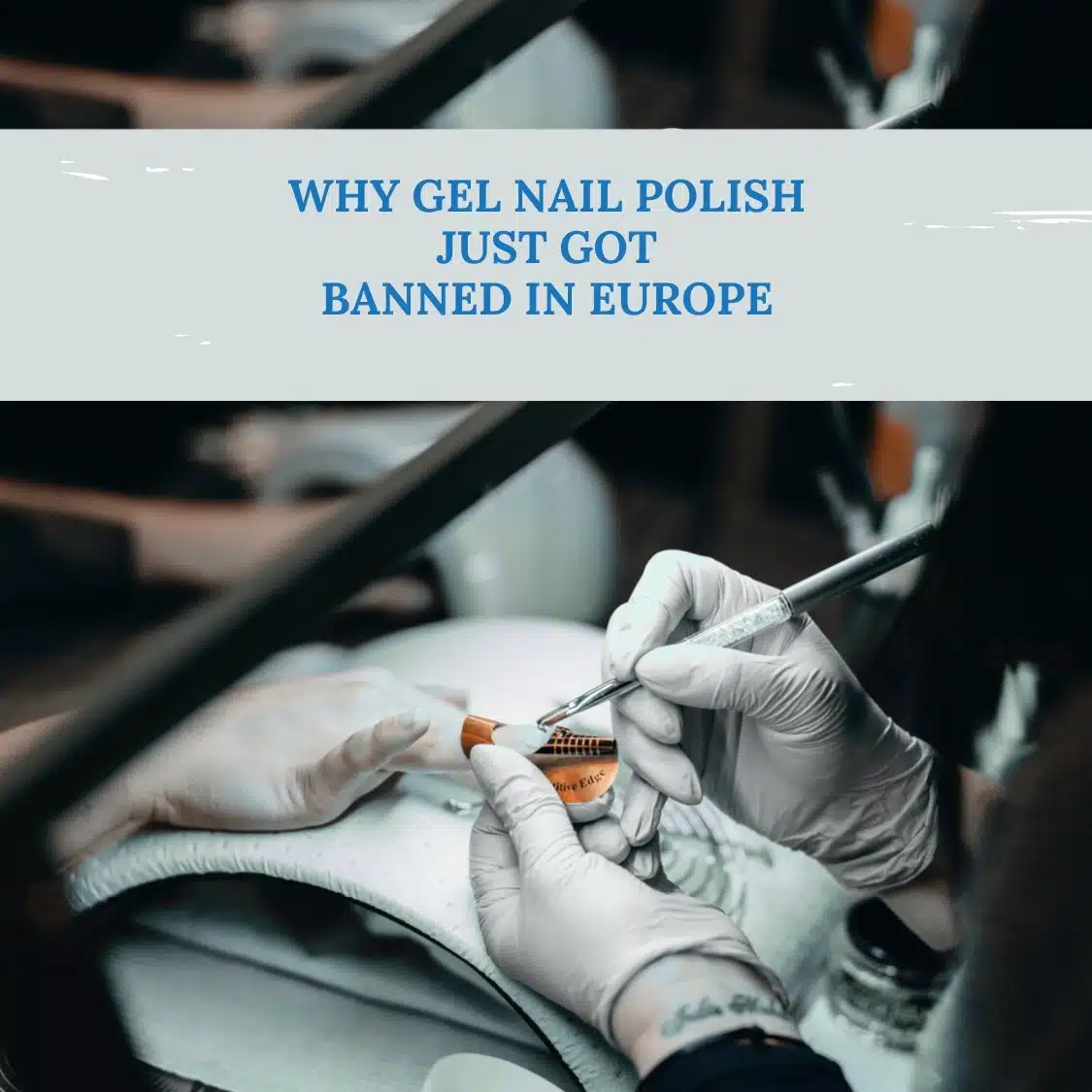
The Ban Explained: Where, When, and What’s Actually Prohibited
The European Union officially banned the use of a chemical called Trimethylbenzoyl Diphenylphosphine Oxide (TPO) in cosmetics. This ingredient is found in many gel nail polishes because it helps the polish cure quickly under UV or LED lamps.
The ban isn’t partial. It’s a full stop across the EU manufacturers, salons, and retailers are no longer allowed to sell or use products containing TPO. Even leftover stock must be pulled from shelves. There’s no grace period, no “use up what you have.” If a product contains TPO, it’s out.
But here’s the important distinction: not all gel polishes are gone. Only those with TPO. Brands that already reformulated or launched TPO-free products are still allowed. So while some bottles disappear, gel manicures aren’t entirely over in Europe.
What Is TPO and Why Is It a Problem?
If you’ve never heard of TPO, you’re not alone. Most of us don’t flip over nail polish bottles to read ingredient lists. But TPO has been common in gels because it’s a photoinitiator—a chemical that reacts with light to harden polish into that glossy finish we love.
The concern? TPO was officially classified by the EU as a CMR substance: carcinogenic, mutagenic, or toxic to reproduction. Animal studies linked it to possible fertility issues, genetic damage, and risks to reproductive health.
Scientists aren’t yet sure how dangerous it is for humans in small amounts. But the EU follows the precautionary principle: if something poses even a potential serious risk, it’s banned until proven safe. In other words, it’s better to act early than wait for definitive proof when health is on the line.
Health Risks Linked to Gel Nail Products
Even beyond TPO, gel manicures have been under the microscope for years. Here’s why:
- UV exposure: The lamps used to cure polish give off radiation. Over time, repeated exposure could increase the risk of skin damage and possibly skin cancer. Dermatologists often recommend applying sunscreen on hands before curing gels.
- Allergic reactions: Some gel ingredients can cause skin sensitization. People develop itchy rashes, nail lifting, or long-term allergies after repeated exposure.
- Bacterial infections: Improper removal or lifting polish can trap bacteria underneath. A common one is Pseudomonas, sometimes called a “greenie,” which leaves nails discolored and infected.
- Nail damage: Filing the nail bed or overuse of gels can thin nails, making them brittle.
The EU ban shines a spotlight on TPO, but it’s also a reminder that gel manicures carry other health risks worth considering.
TPO & HEMA-Free Gel Polishes
- Manucurist Green Flash LED Gel Polish
A clean beauty pioneer and one of the first brands to be fully TPO-free and EU compliant.
Amazon Link Here

- Gelish TPO-Free Gel Polish Collection
Professional-grade gel polish with a wide range of shades, now available in TPO-free formulas.
Amazon Link Here

- Venalisa HEMA & TPO-Free Nail Gel Polish (10ml)
Long-lasting, up to 20+ days of wear, available in many finishes (solid, glitter, cat-eye).
Amazon Link Here

- Vishine HEMA & TPO-Free Gel Polish Set
Affordable sets that are both HEMA- and TPO-free, designed for sensitive users.
Amazon Link Here

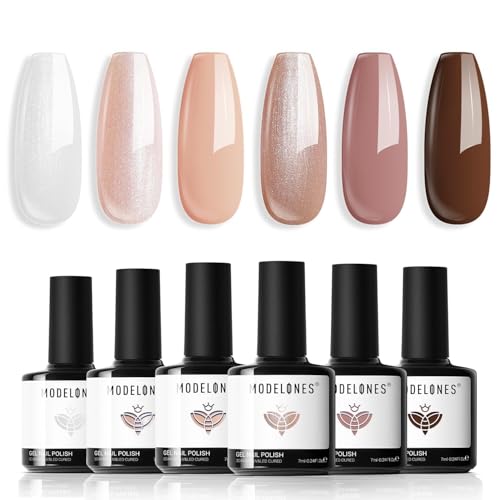
- Modelones TPO-Free Soak Off Gel Polish
Known for reformulations that align with EU standards and gentler ingredients.
Amazon Link Here
- Beetles Gel Polish Soak-Off Collection
HEMA-free, 9-toxin-free, and cruelty-free; a great budget-friendly soak-off choice.
Amazon Link Here

Non-Gel & Hybrid Long-Wear Alternatives
- OPI Infinite Shine Long-Wear Nail Polish
Lasts up to 11 days without UV lamps.
OPI Infinite Shine Long-Wear Nail Polish

- Dazzle Dry Nail System (Top Coat & System Kits)
Dries in 5 minutes, lasts up to 2 weeks, non-toxic.
Amazon Link Here

What Consumers Need to Do Now
If you live in Europe, the change is immediate. Salons and stores have to pull TPO containing products. For consumers, that means:
- Check your stash: If you have bottles at home, look for “TPO” on the ingredient list. If it’s there, it should be safely disposed of, not used up.
- Ask your salon: Don’t hesitate to ask nail technicians what products they’re using. A reputable salon will know and should already be compliant.
- Look for labels: Many brands are highlighting “TPO-free” on packaging to reassure customers.
- Take breaks: Even with safe products, it’s smart to let your nails breathe. Rotate between gels and traditional polish or go polish-free for a week or two.
If you’re outside of Europe, especially in the U.S., TPO is still legal. But that doesn’t mean you can’t make informed choices. Ask for alternatives or choose brands that already switched.
How the U.S. and U.K. Compare
The United States has not banned TPO. Gel polishes with the ingredient are still on shelves and in salons, and most consumers don’t even realize it’s there. The U.S. tends to regulate cosmetics less strictly than the EU, often waiting for more conclusive human studies before making a move.
In the United Kingdom, the ban doesn’t apply yet either, but regulations are expected to align in 2026. Salons there are already preparing for the change.
So while Europe leads the way, other regions are slower to act. That puts the responsibility on consumers to stay informed.
Safer Alternatives and What to Look For
The good news is that many brands anticipated this shift and reformulated ahead of time. TPO-free options are already available, and you’ll likely see more of them hit the market quickly.
Here are a few safer strategies:
- Choose TPO-free brands: Look for polishes that specifically say they’re compliant with EU standards.
- Try “soak-off” gels: These tend to be gentler on nails and easier to remove.
- Limit UV exposure: Apply broad-spectrum sunscreen or slip on UV-blocking gloves with cutouts before curing polish.
- Consider non-gel alternatives: Long-lasting topcoats and hybrid polishes have improved. They won’t last three weeks, but they can get you through busy weeks without chips.
The Bigger Picture: Beauty, Regulation, and Safety Trends
This ban is about more than nails. It reflects a broader movement in beauty regulation. Europe has long been ahead in restricting questionable ingredients, from parabens to formaldehyde.
The message is clear: health first, beauty second. Even if risks are small or not fully proven, regulators are prioritizing safety.
For consumers, it’s a wake-up call. Beauty products are not automatically “safe” just because they’re on the shelf. Ingredient transparency and personal responsibility are becoming bigger parts of how we shop.
For the industry, it’s a push to innovate. Companies that can quickly reformulate without sacrificing performance will win consumer trust.
What This Means for the Future of Gel Nails
If you love your gel manicures, don’t panic. Not all gels are gone, and safer alternatives exist. What’s changing is the awareness around what’s in those tiny bottles.
Europe’s decision to ban TPO sets a global precedent. Other countries may follow, and consumers everywhere will start asking tougher questions about what they’re putting on their bodies.
The truth is, beauty and safety can coexist. This ban isn’t the end of gel polish but instead, it’s the start of a cleaner, safer future for our nail routines. And that’s something I am truly so happy about.
Let’s be friends on Instagram, Pinterest, and YouTube
This post may contain affiliate links through which I may receive a small commission at no extra cost to you.
This post may contain affiliate links, which means I may earn a small commission at no extra cost to you. Some products may be gifted, but my opinions are always my own.